UNESCO MGIEP's ISEE Assessment, part of UNESCO's Futures of Education, aims to redefine education through evidence-based research and assessment.

UNESCO MGIEP's ISEE Assessment, part of UNESCO's Futures of Education, aims to redefine education through evidence-based research and assessment.

SCOPE

Illustration, Packaging Design, Print & Publication

INDUSTRY

Education


CLIENT NAME

UNESCO MGIEP

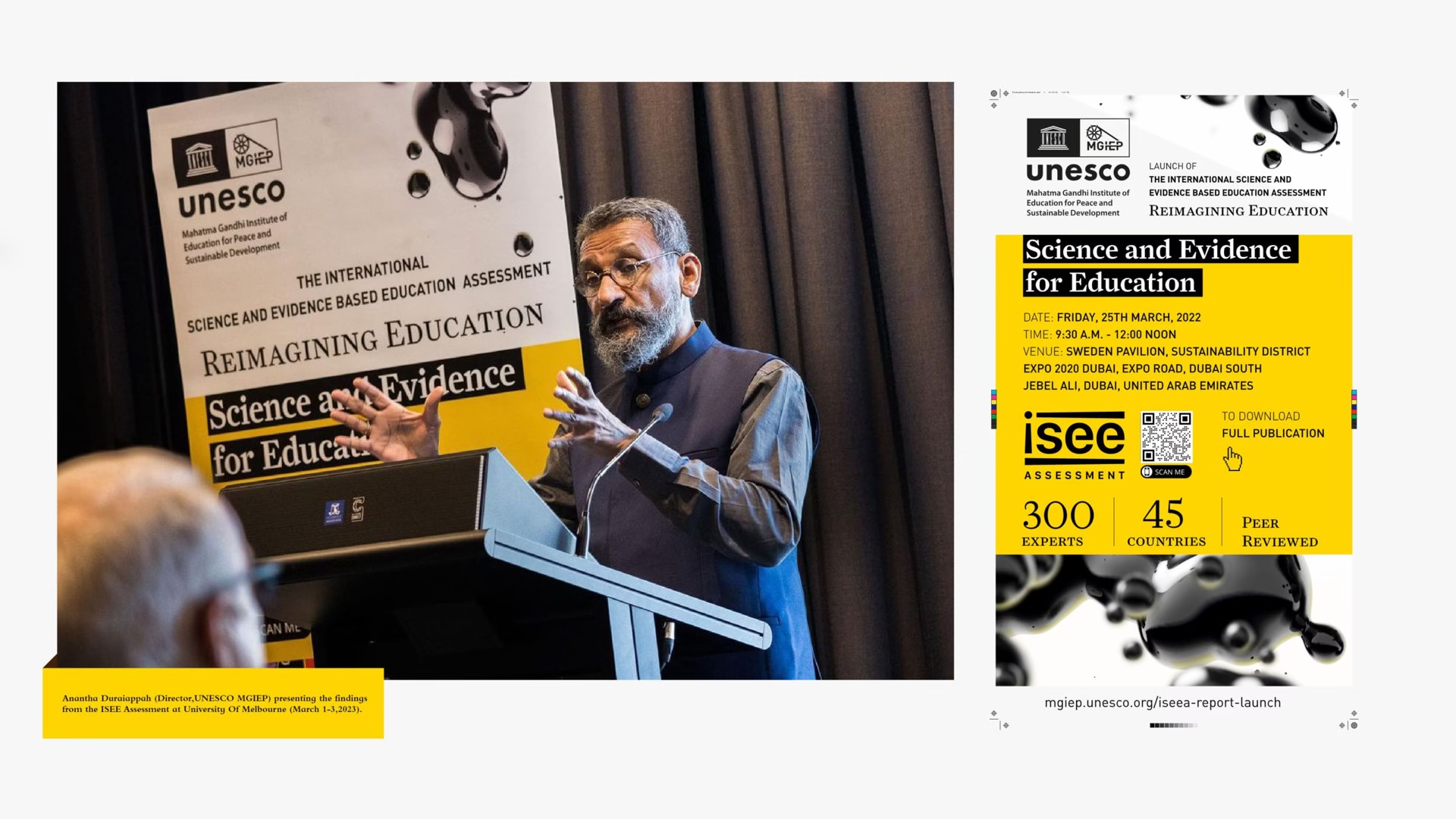
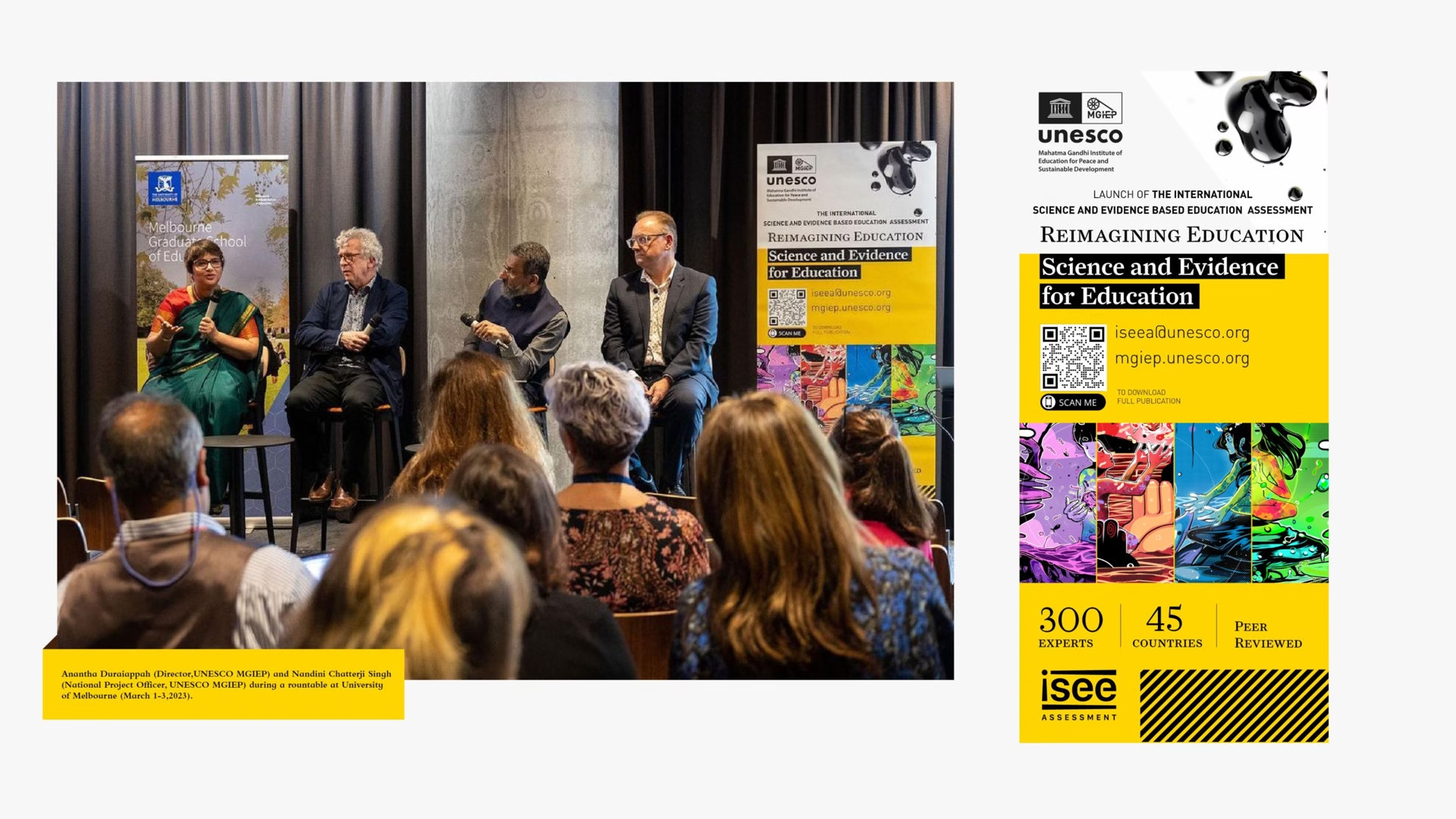
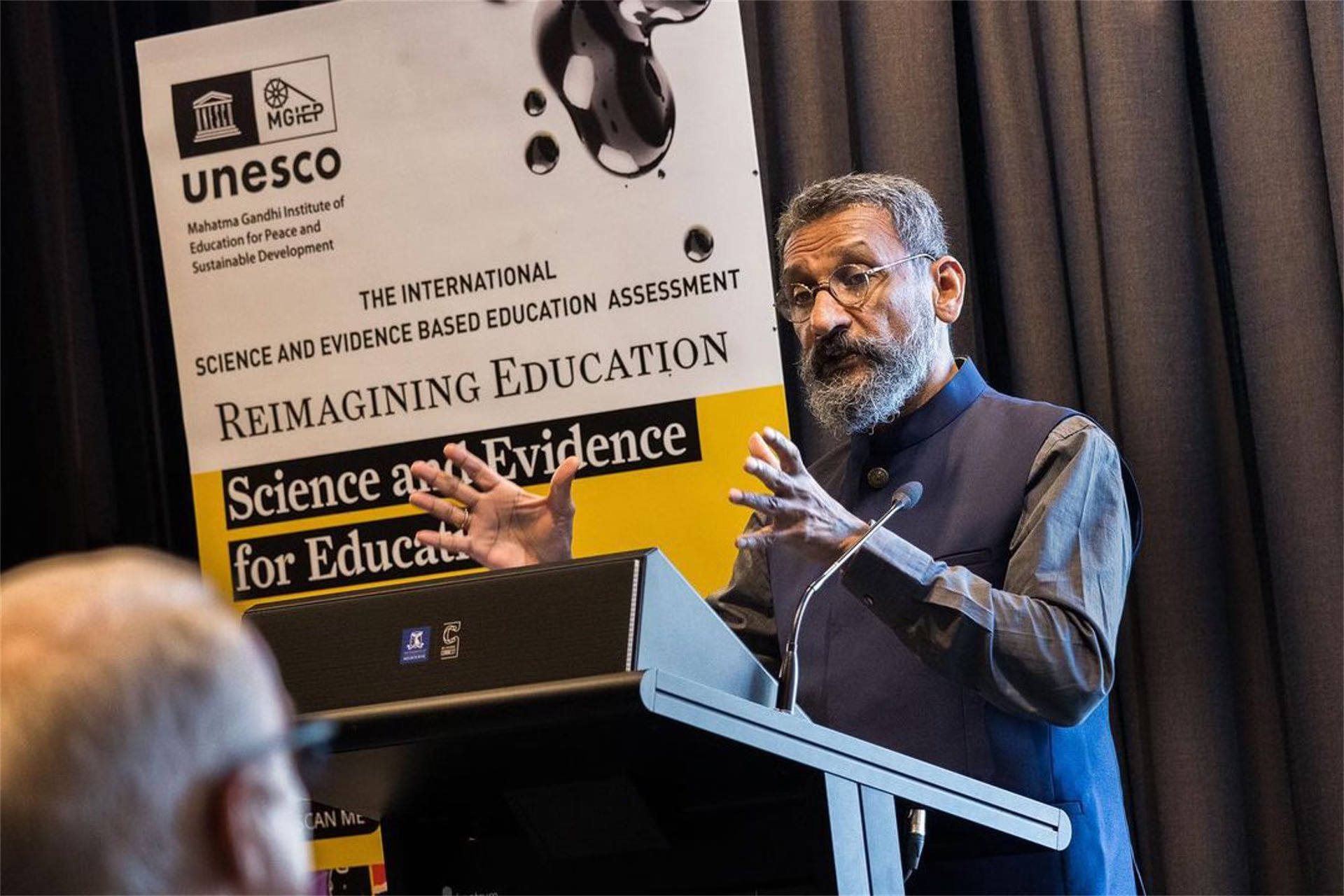
The International Science and Evidence-based Education (ISEE) Assessment is an initiative of the UNESCO Mahatma Gandhi Institute of Education for Peace and Sustainable Development (MGIEP), conceived as its contribution to the Futures of Education process launched by UNESCO Paris in September 2019. In order to contribute to re-envisioning the future of education with a science and evidence-based report, UNESCO MGIEP embarked on an ambitious project of the first-ever large-scale assessment of the knowledge on education.”Reimagining Education The International Science and Evidence-based Education (ISEE) Assessment”
CLOSE OVERLAY
UNESCO MGIEP

UNESCO MGIEP's ISEE Assessment, part of UNESCO's Futures of Education, aims to redefine education through evidence-based research and assessment.

SCOPE

Illustration, Packaging Design, Print & Publication

INDUSTRY

Education

UNESCO MGIEP's ISEE Assessment, part of UNESCO's Futures of Education, aims to redefine education through evidence-based research and assessment.

SCOPE

Illustration, Packaging Design, Print & Publication

INDUSTRY

Education

Project Overview

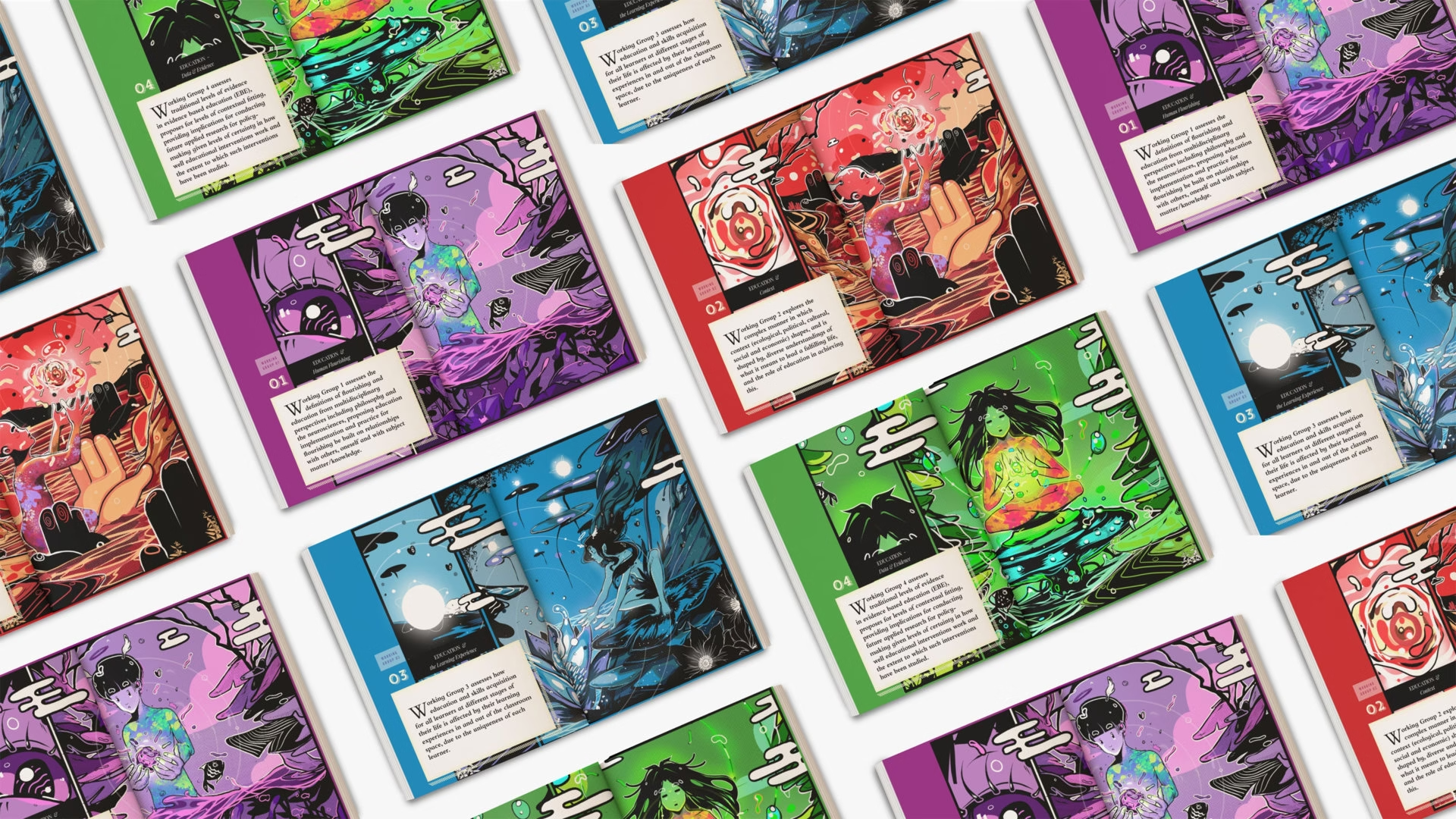
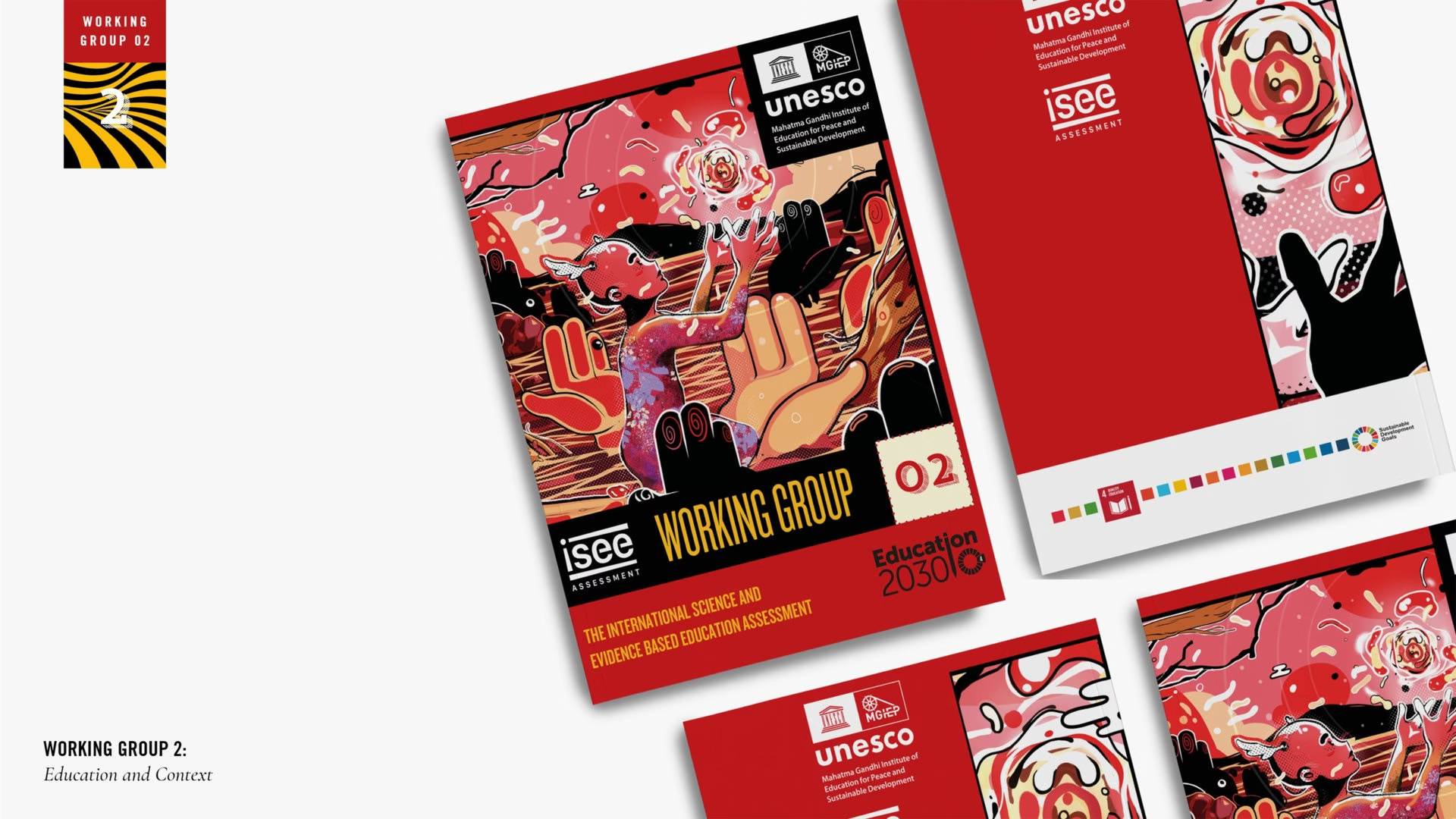
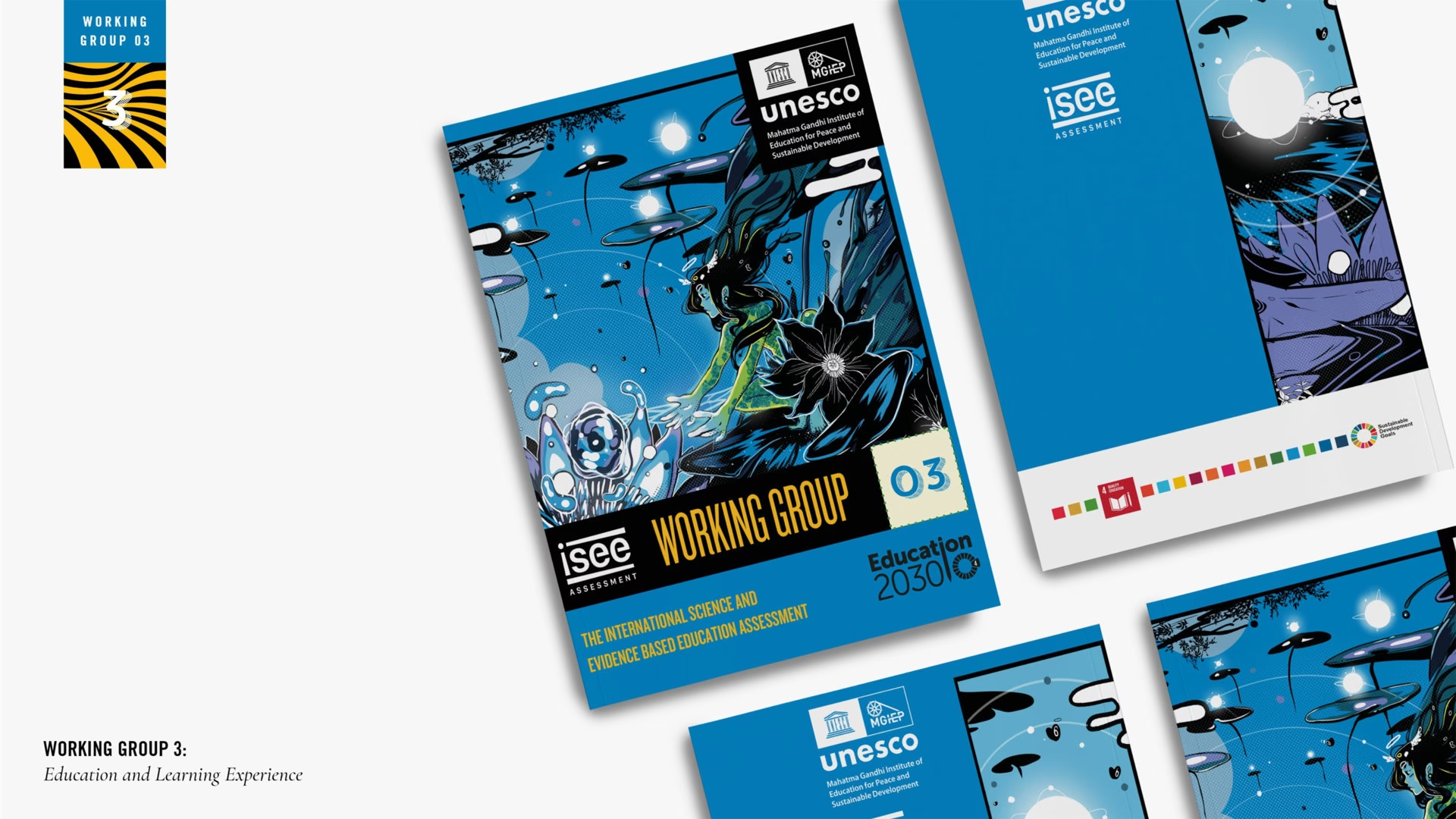
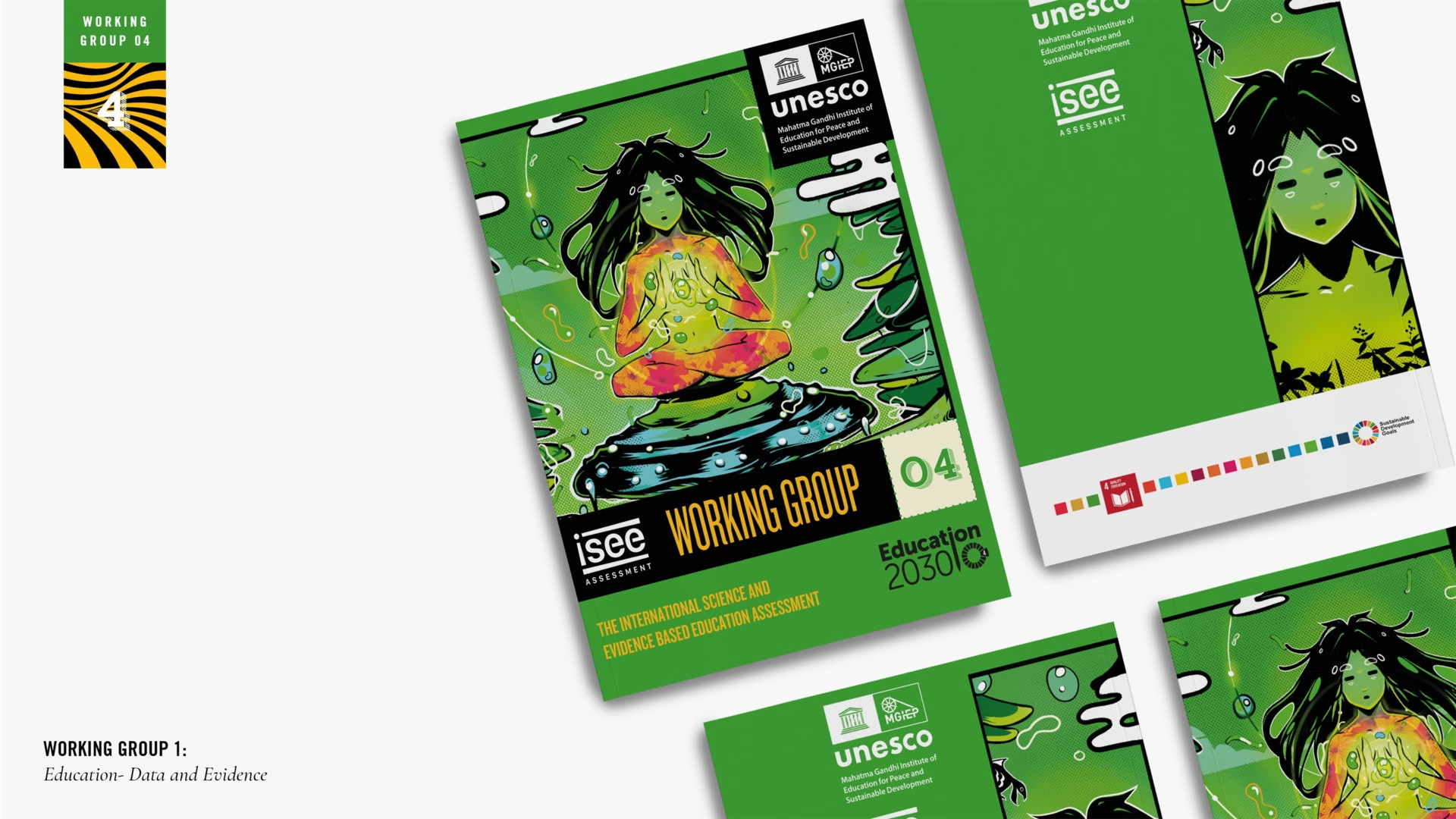
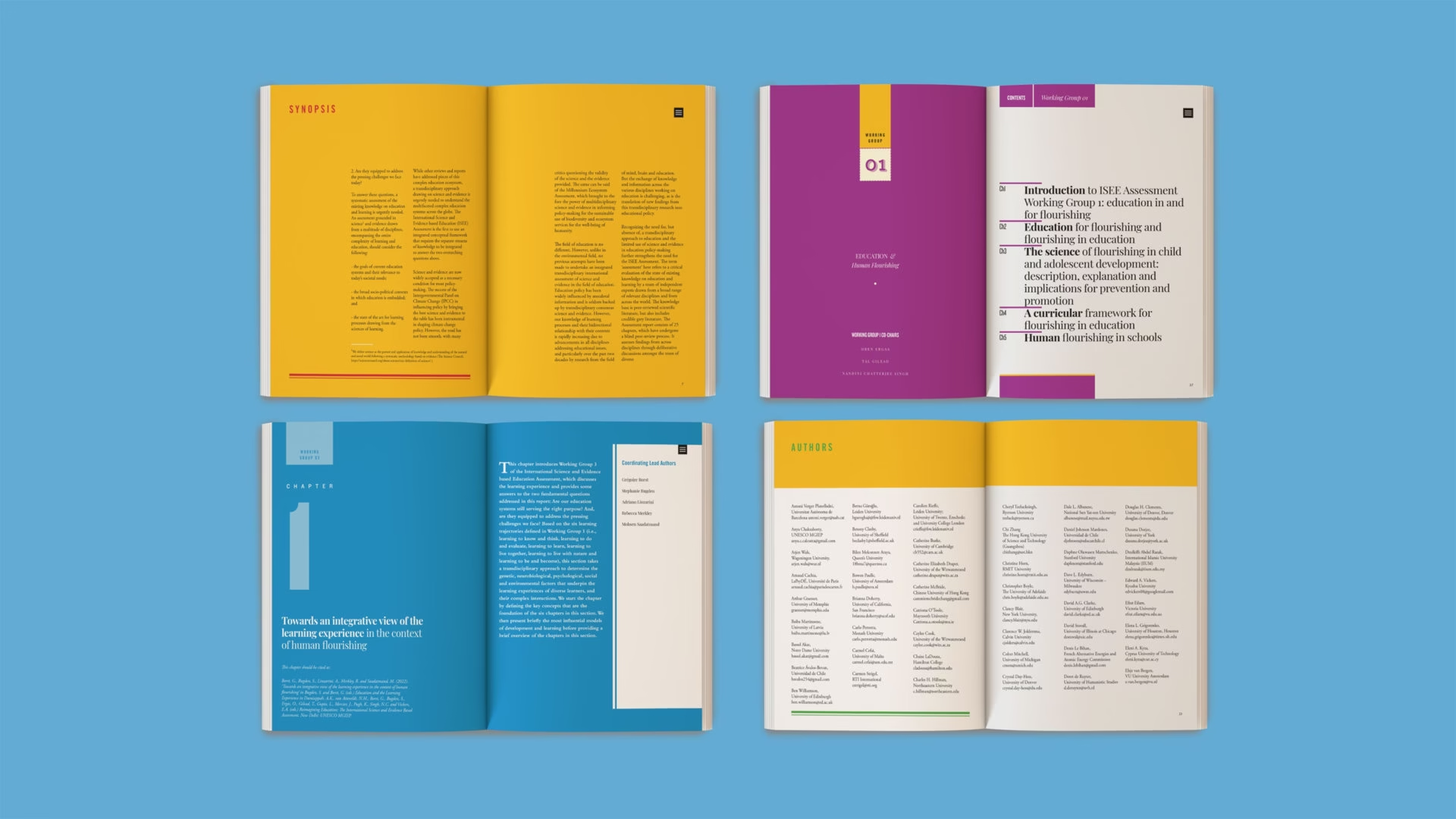
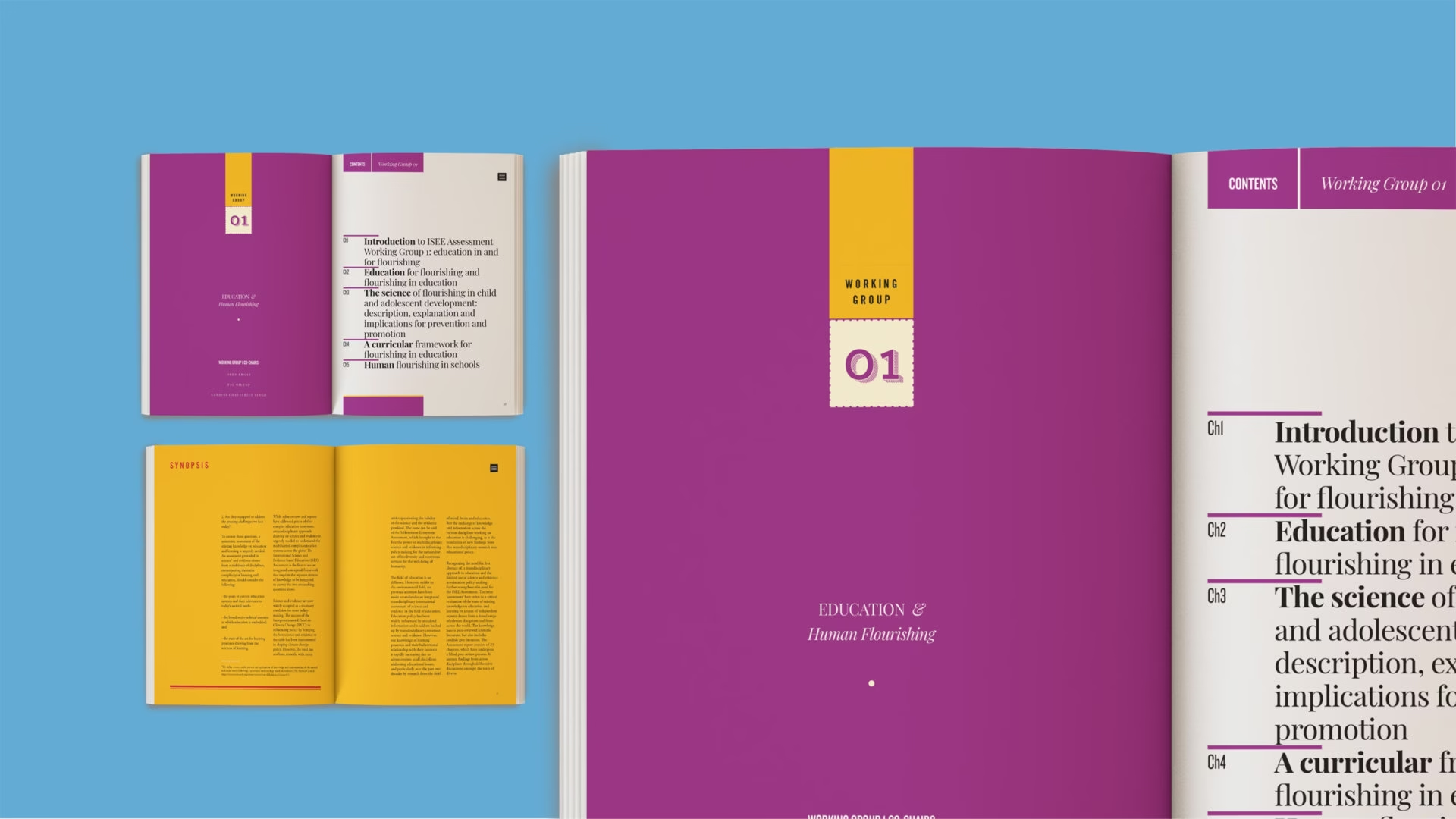
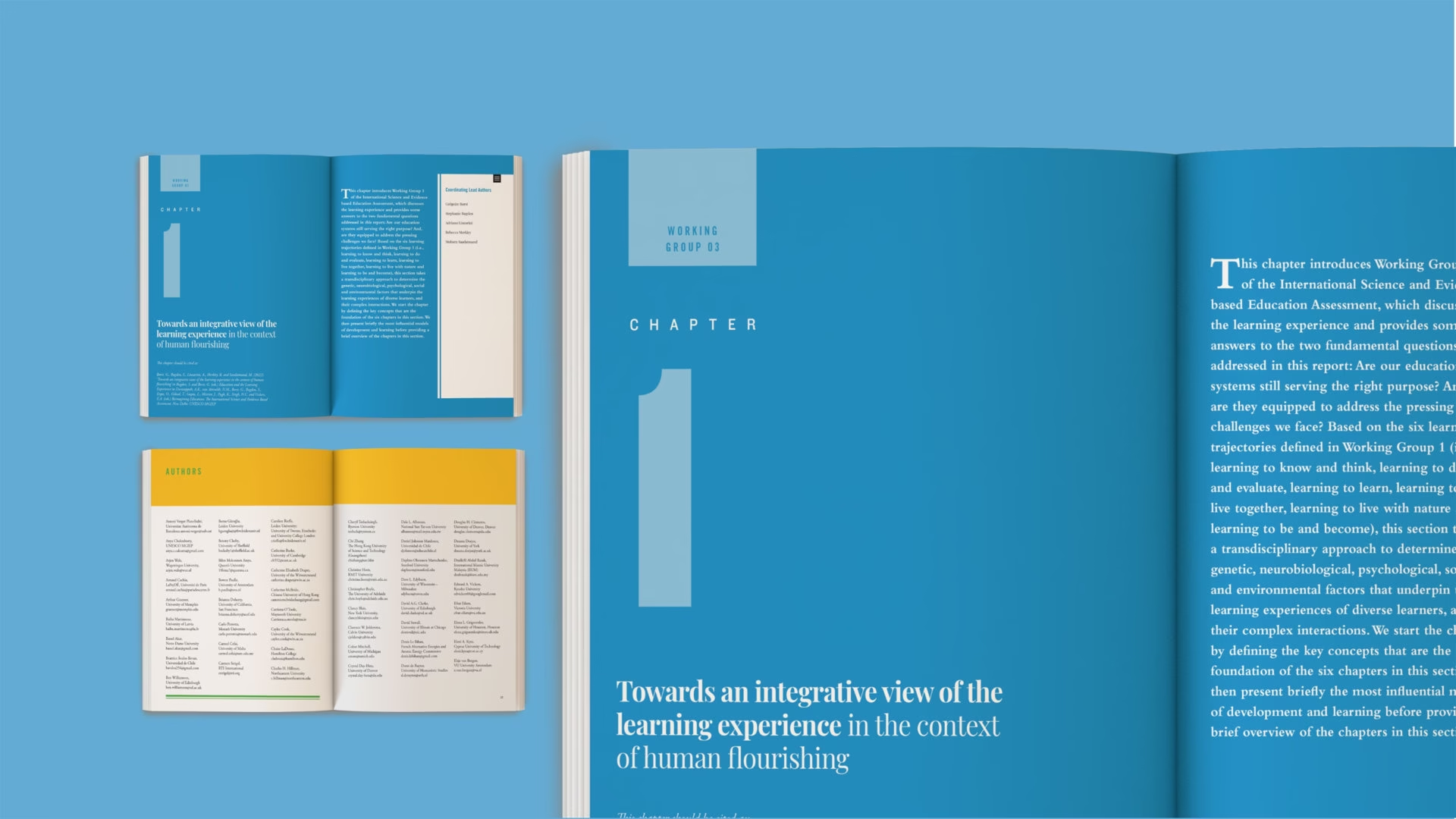
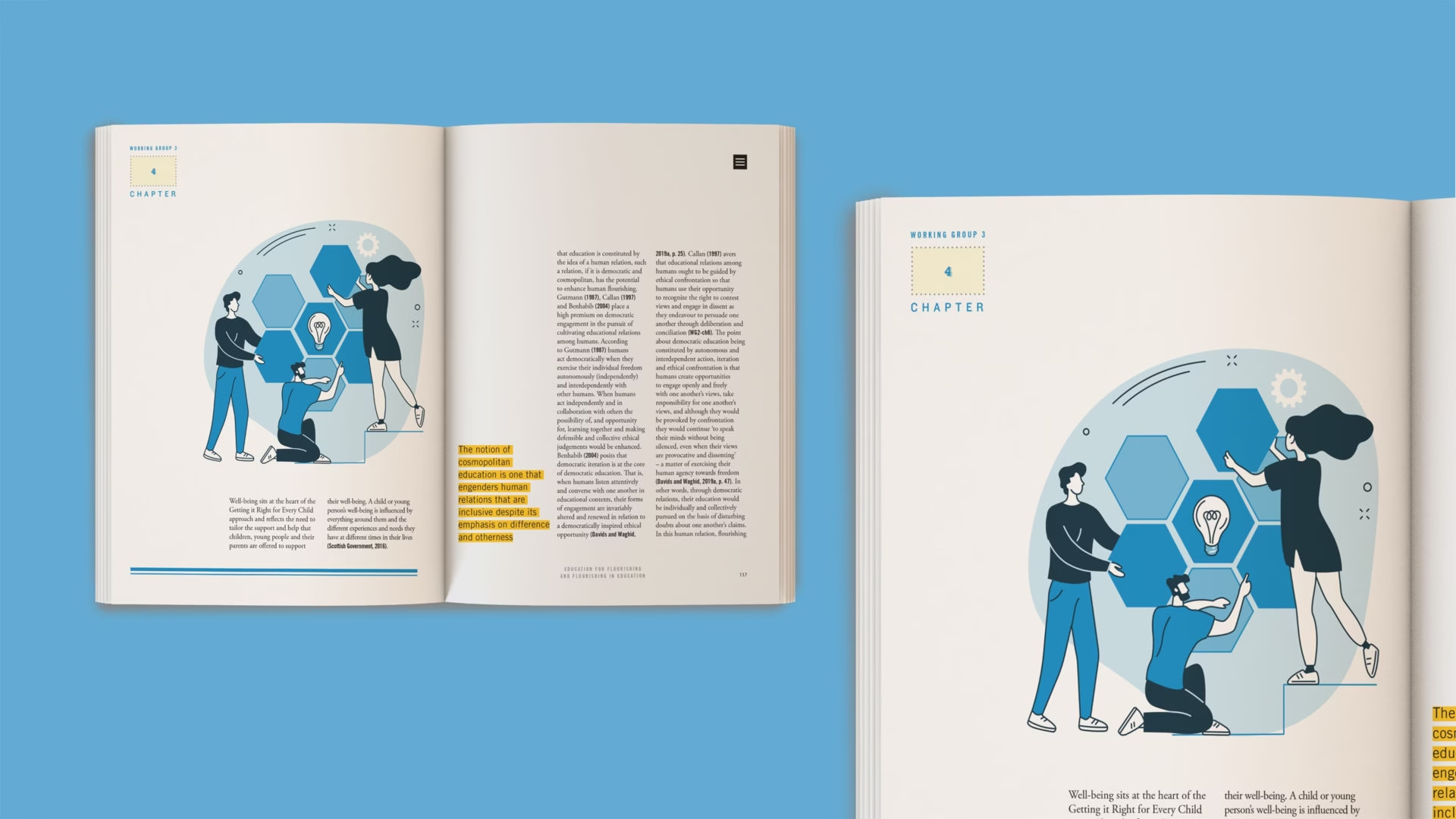
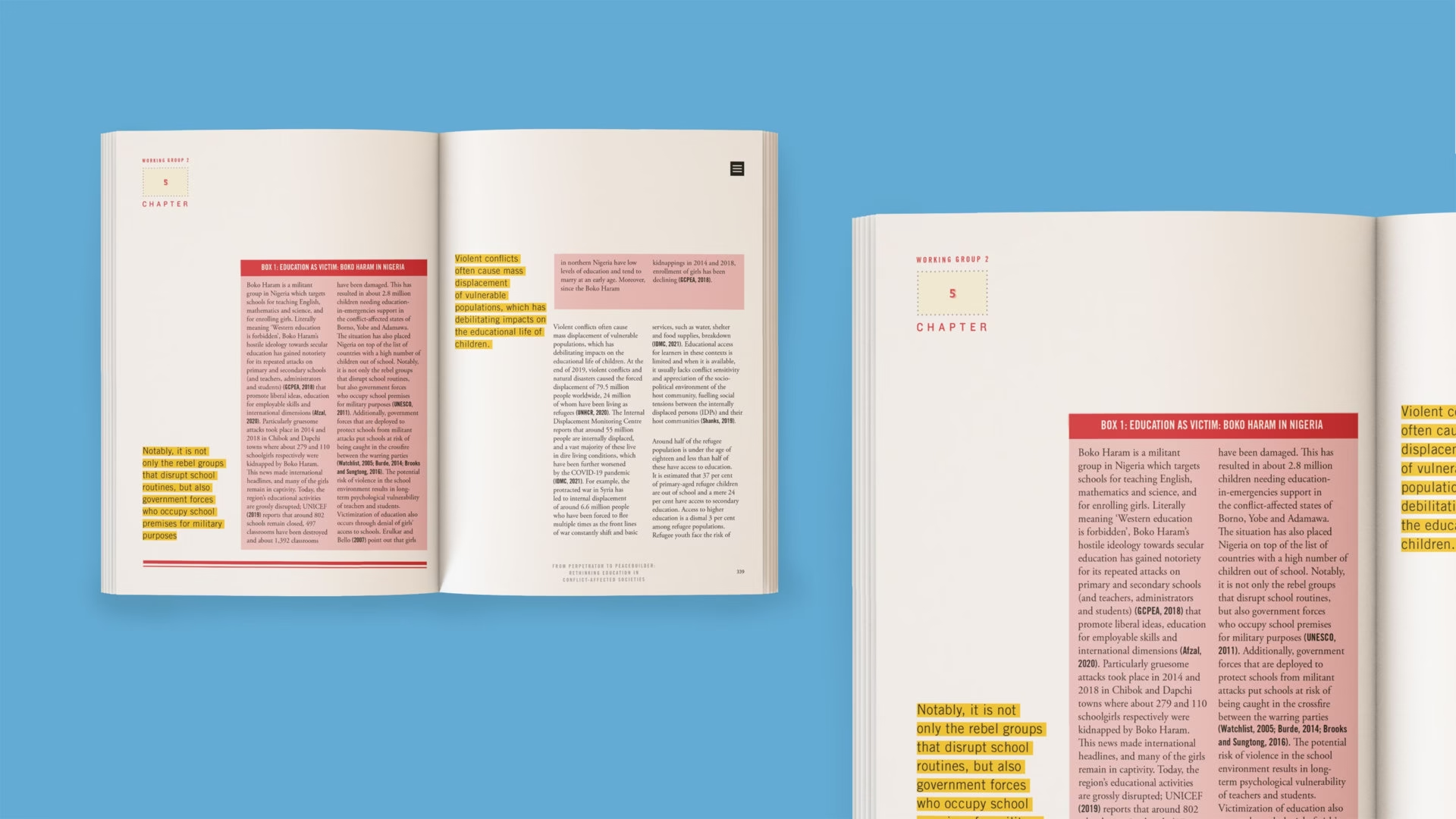
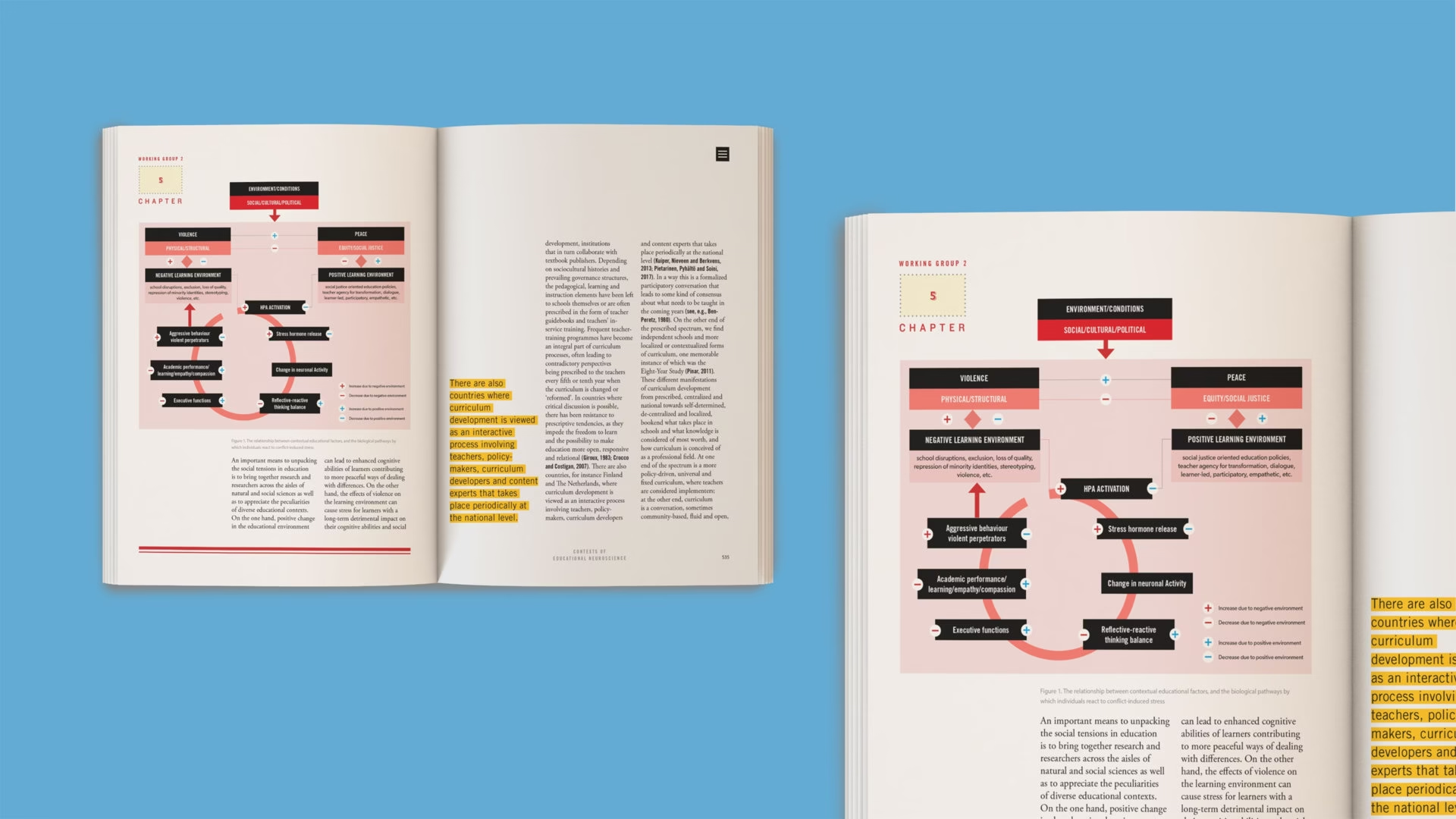
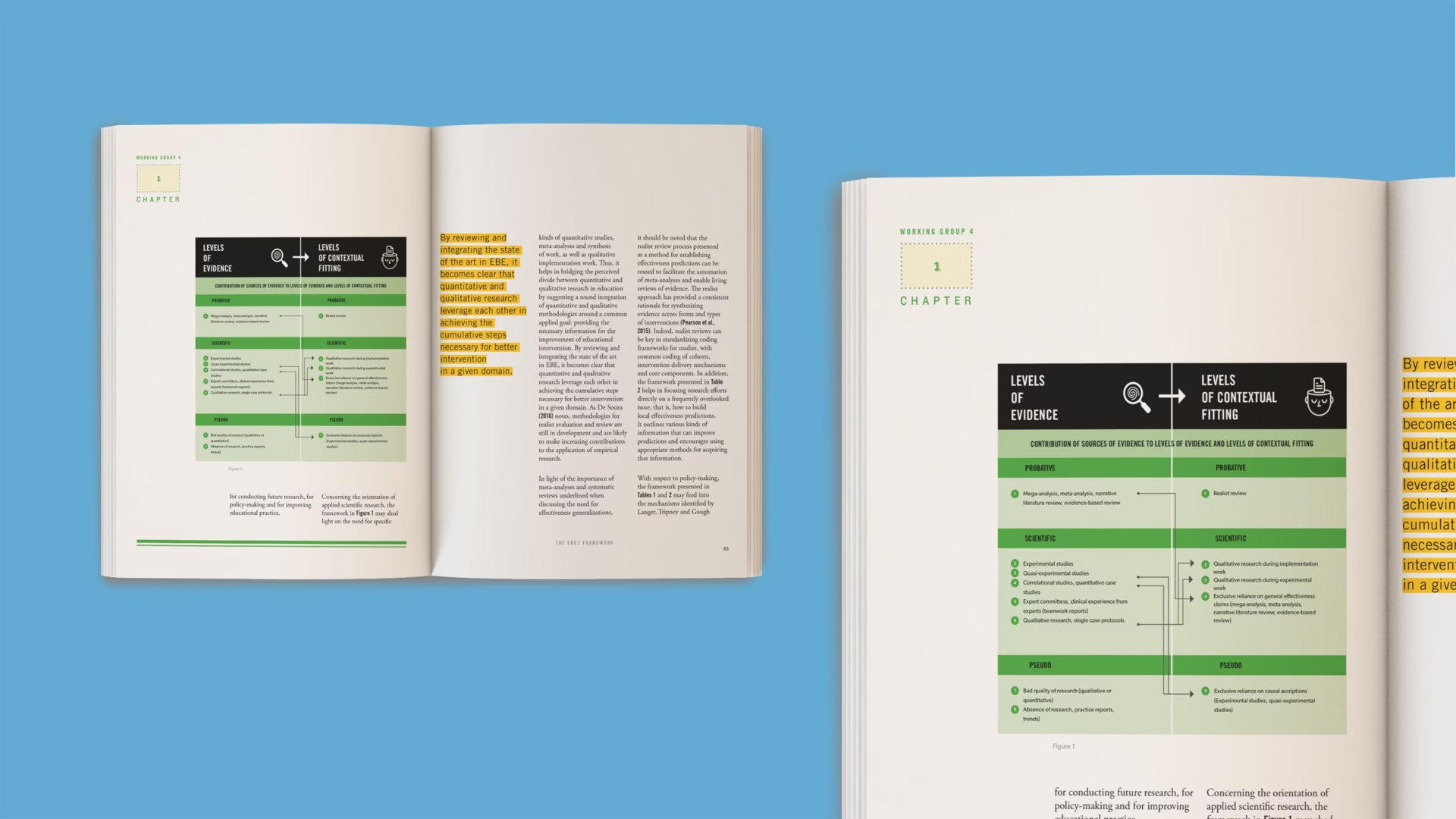
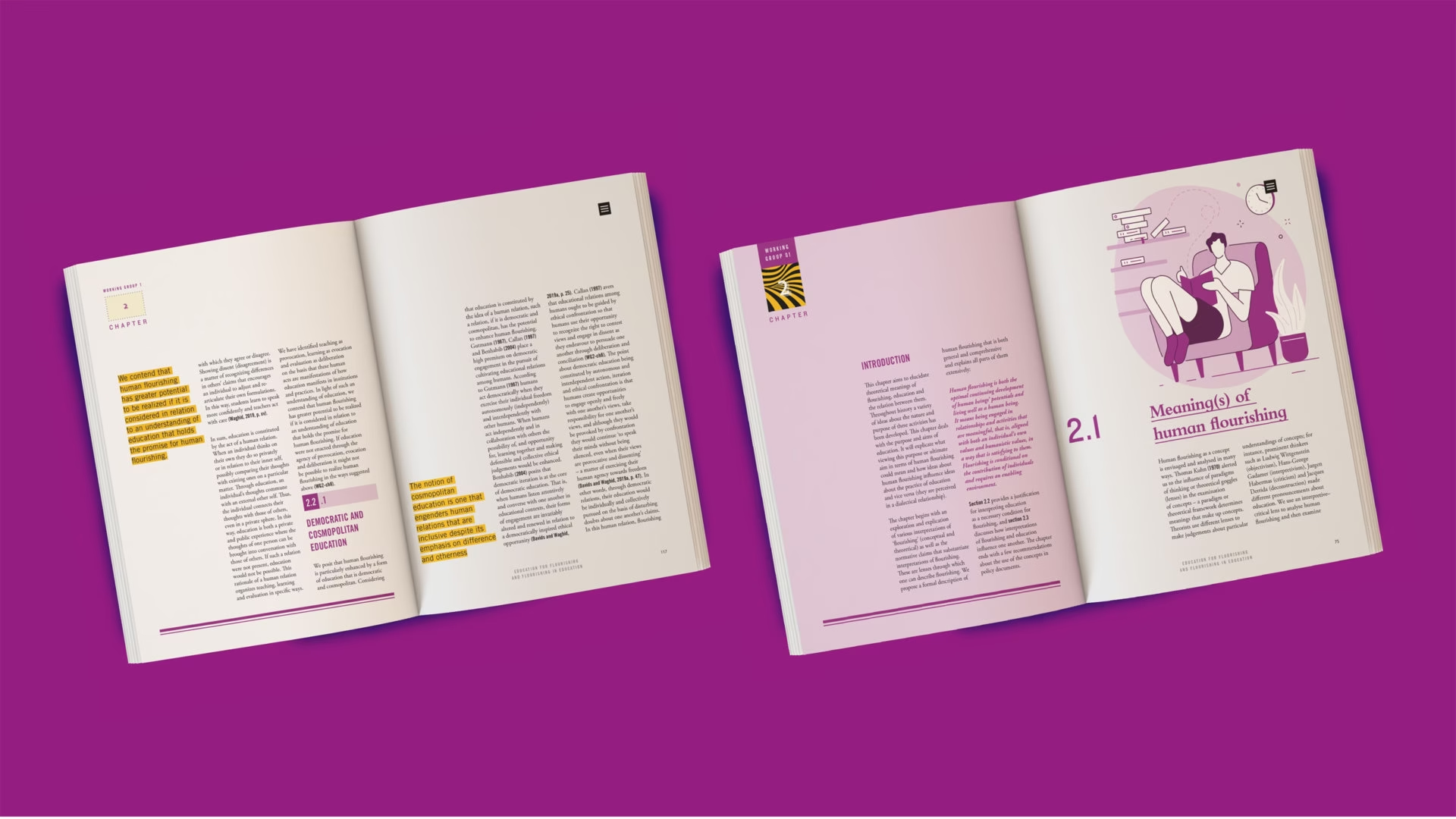
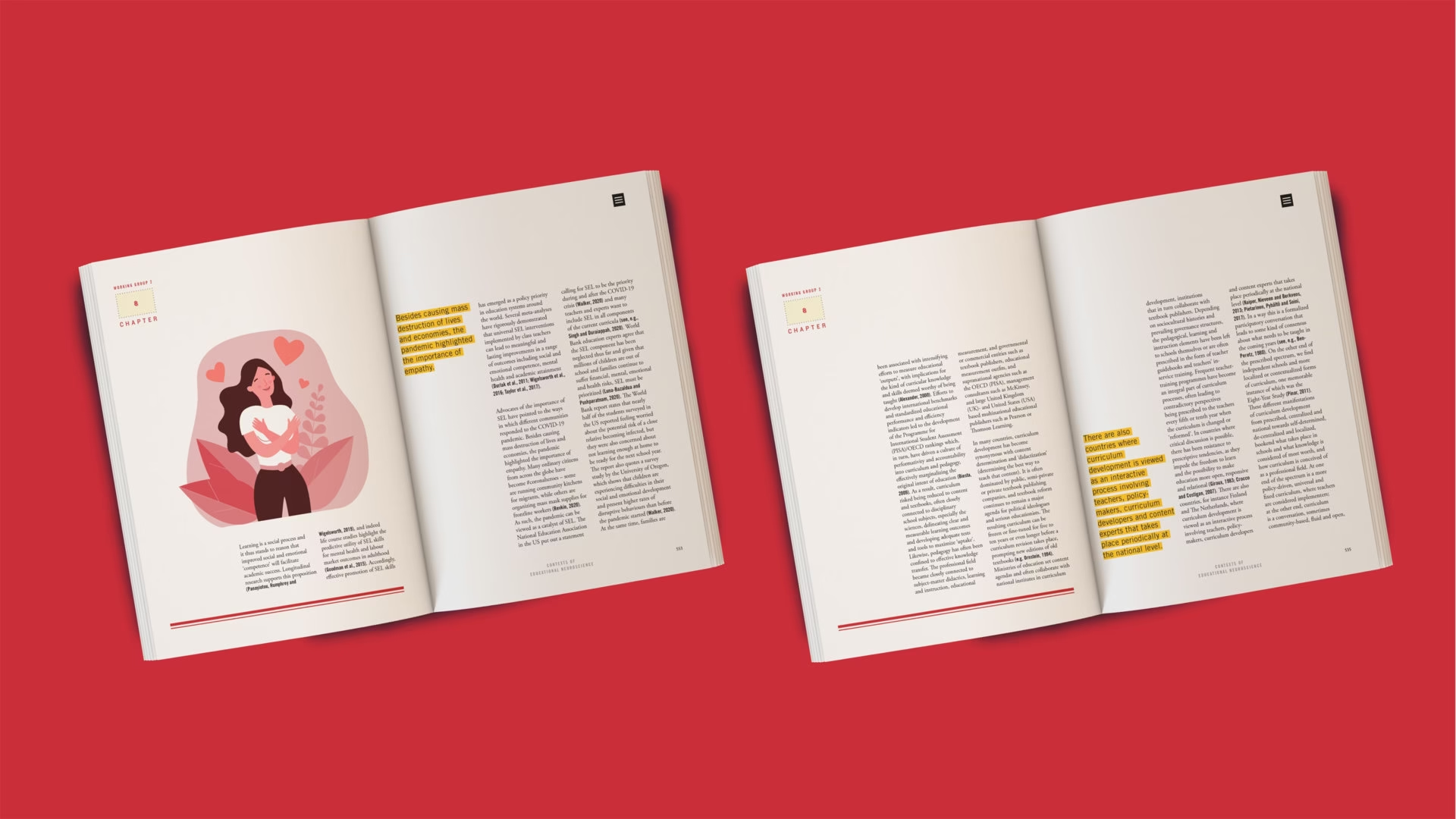
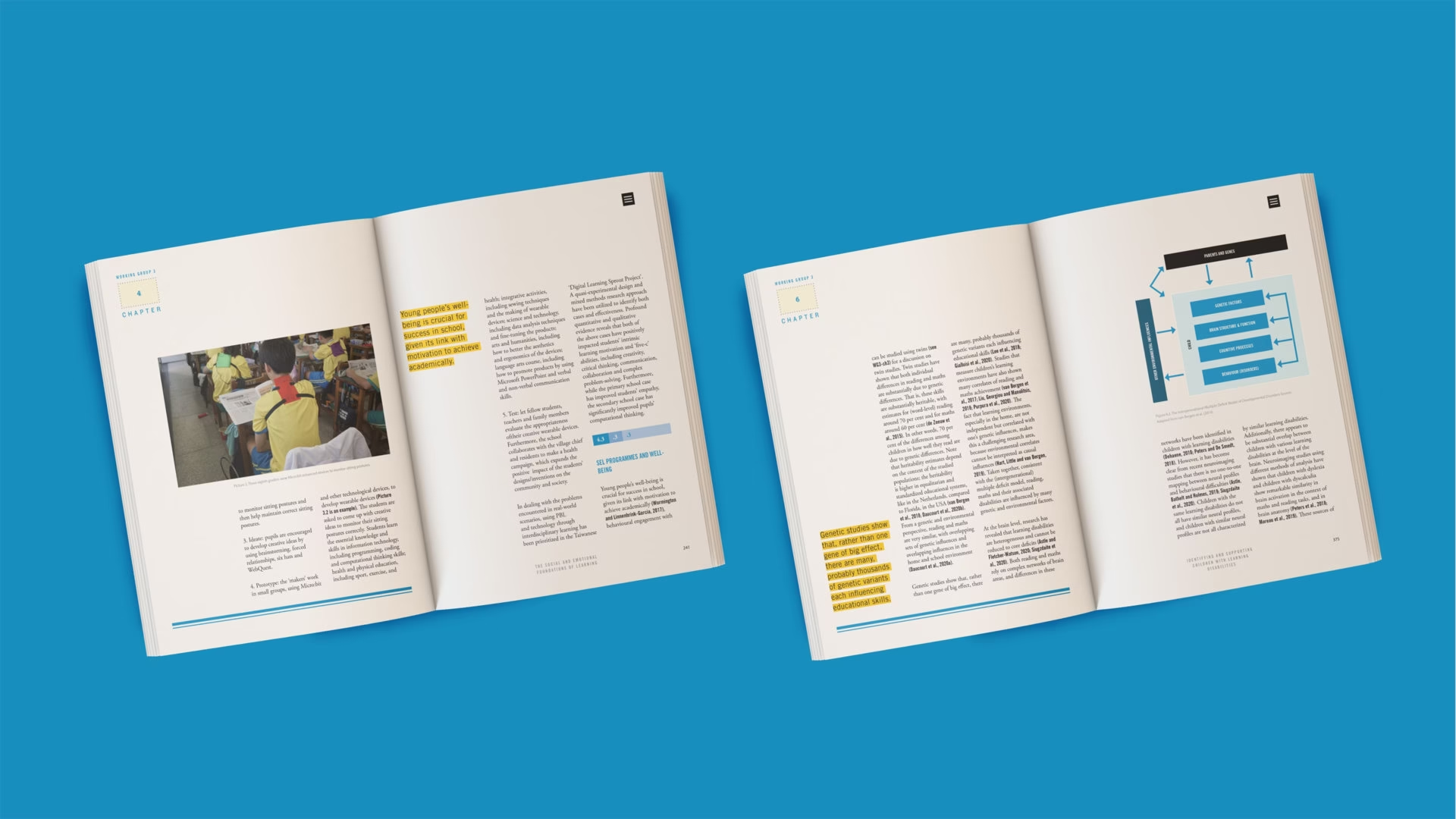
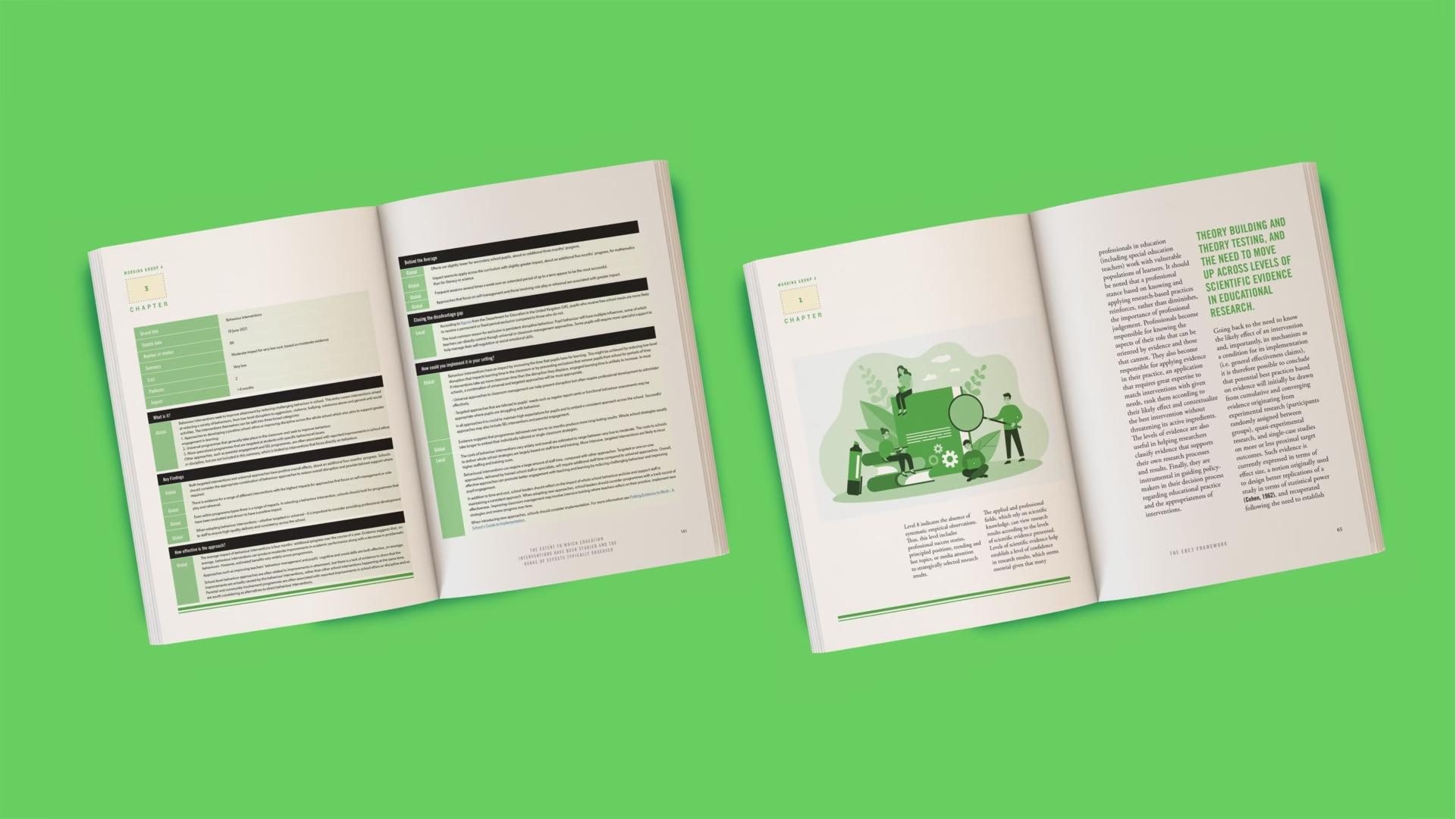
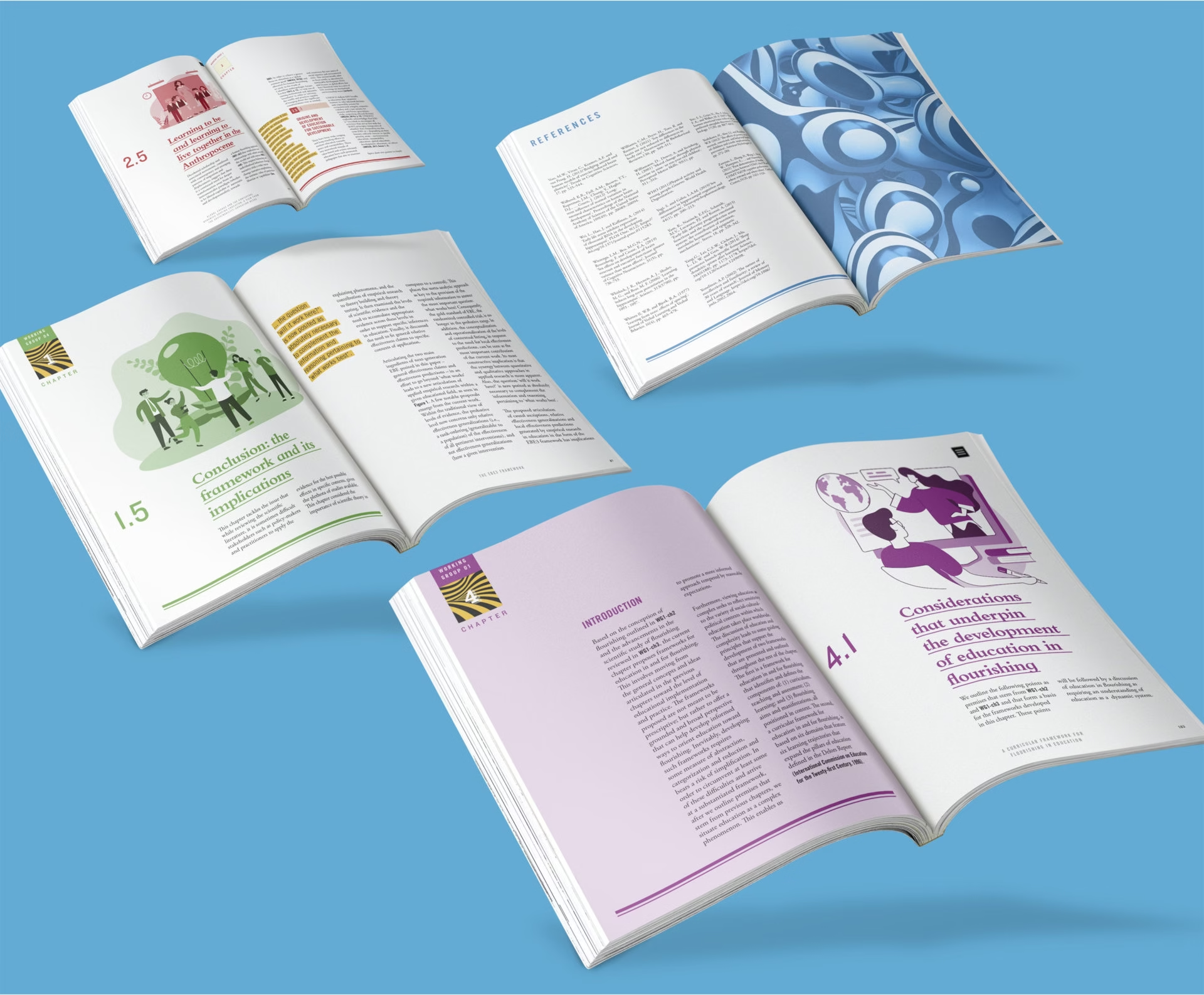
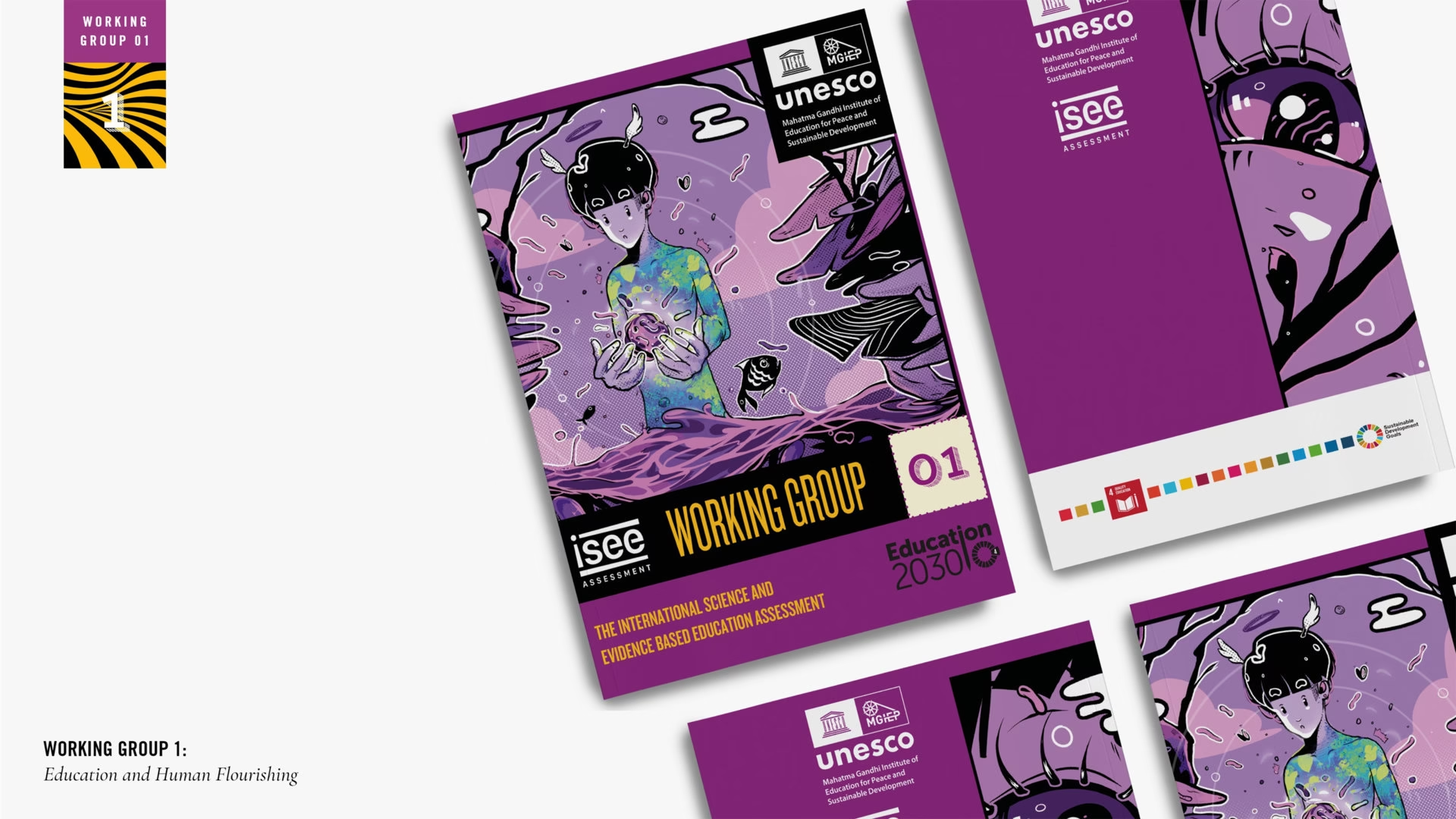
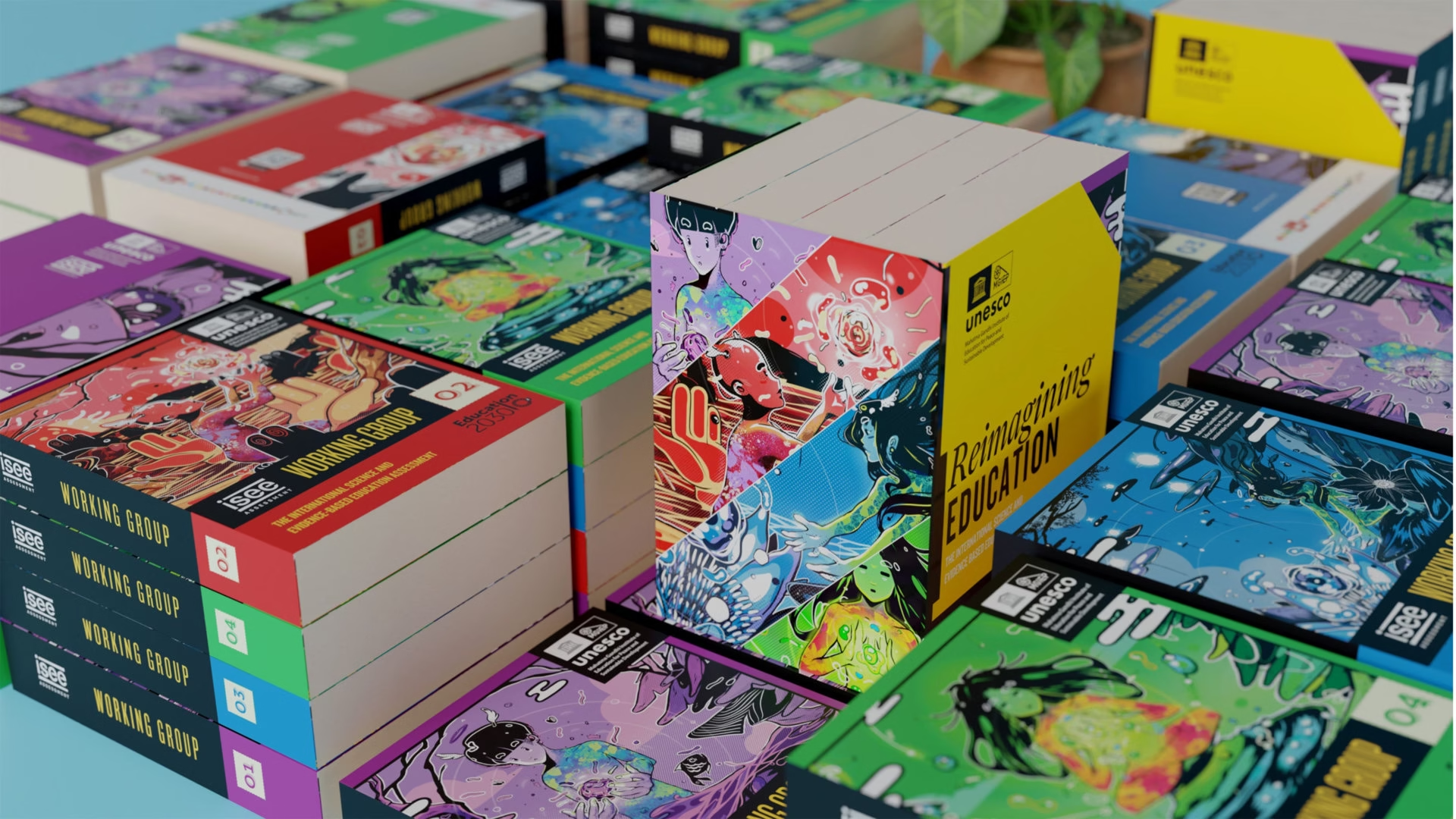
The ISEE Assessment, led by UNESCO MGIEP, aims to reshape education through evidence-based insights. The project produced a publication, “Reimagining Education,” presenting findings in four key areas: Human Flourishing, Context, Learning Experience, and Data & Evidence. Visual narratives complement textual content, facilitating understanding. The layout design allows for flexibility, while promotional materials support the international launch, emphasizing the significance of the assessment’s outcomes.

Problem Statement

Traditional education often lacks scientific evidence, leading to outdated practices. Communicating complex research to diverse audiences presents challenges, hindering understanding and innovation. The project aims to document and present ISEE Assessment findings in an engaging, visually accessible format. Challenges include organizing research into manageable sections, creating complementary visual narratives, designing a flexible layout, and crafting effective promotional materials.

Our Approach

The project began with categorizing extensive research into four subgroups: Education & Human Flourishing, Education & Context, Education & the Learning Experience, and Education – Data and Evidence. Visual narratives were then created to complement each subgroup, offering abstract representations of key concepts. A dynamic layout design was developed to effectively communicate findings and accommodate updates. Additionally, promotional materials like standees, leaflets, and flyers were crafted to promote the international launch of the publication. This comprehensive approach aimed to make the research accessible, engaging, and impactful, contributing to global discussions on the future of education.